Dirt Micro Sprint Car - Winged
Explore official-source information about the Dirt Micro Sprint Car - Winged in iRacing.
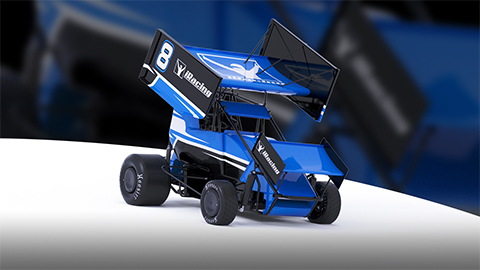
Image © iRacing.com Motorsport Simulations
Quick reference
- Power (iRacing)
- 89 kW120 hp
- Weight (iRacing)
- 354 kg780 lb
- Displacement
- 600 cc37 cid
The winged Dirt Micro Sprint is a small-track dirt racer with a 600 cc engine.
Winged configuration
The upper wing adds aerodynamic load to this Micro Sprint variant. Its identity remains separate from both the non-winged car and the higher-powered Outlaw entries.
Development setting
Micro Sprints compete on small tracks such as Millbridge Speedway and in events including the Tulsa Shootout, providing an early step in dirt racing.
Official sources
Stop Guessing, Start Improving
Many drivers slam the brakes with all their strength, but the fastest modulate pressure, use the brake to rotate the car, and exit as fast as possible. Train that skill here.
Train Anywhere, Anytime
Browser-based training works with any racing pedals or controllers. Fanatec, Thrustmaster, Logitech, Simucube — no installation required.
Pro-Designed Exercises
Access exercises created by professional sim racers like Suellio Almeida. Learn the exact braking patterns used by the fastest drivers.
Import Dirt Micro Sprint Car - Winged Telemetry
Drop your Garage61 lap CSV and extract braking data for every corner. Generate personalized practice exercises based on YOUR telemetry, not generic patterns.
Track Your Progress
View session history, performance trends, and best scores. Watch yourself improve over time and stay motivated to practice.
And There's Much More
Improve your braking technique with this car and much more:
Create Custom Exercises
Build from templates, draw brake curves, or record with your pedal
Schedule Your Training
Plan practice sessions and track your consistency across weeks
Brake Master Ratings
Earn rankings and compete on leaderboards as you improve
Exercises & Progress Tracking
Practice exercises and track your progress completely free.
No install needed • Works in browser
General practice tips
Tip 1
Starting point
Start with the official setup and consult the simulator documentation for available controls. Appropriate brake bias depends on the car and conditions.
Tip 2
One variable
Change one setting at a time and compare several laps. Record the change and observed behavior before keeping it.
Tip 3
Comparable conditions
Compare similar fuel loads, tires and track conditions. One lap alone does not establish that a setting is better.
Frequently asked questions
General guidance for practicing and consulting car-specific sources.