Super Formula SF23
Consulta información de fuentes oficiales y consejos de frenada para el Super Formula SF23 en iRacing.
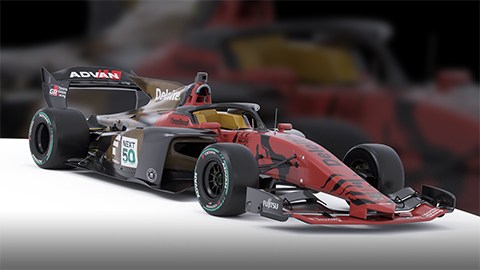
Image © iRacing.com Motorsport Simulations
Referencia rápida
Chasis
Potencia
Frenos
Setup
Advanced
Cómo frena el Super Formula SF23
El Super Formula SF23 cuenta con sesgo de freno ajustable y monitoreo visual de temperatura a través del clúster LED del volante. El sistema proporciona información en tiempo real cuando los frenos están por debajo de su temperatura óptima—crucial en monoplazas donde los frenos fríos reducen drásticamente la potencia de frenado y la consistencia. Esto hace que la vuelta de calentamiento sea fundamental para elevar la temperatura de los frenos antes de atacar las curvas con intensidad.
El ajuste del sesgo de freno influye directamente en el balance de entrada a curva en este monoplaza liviano. Un sesgo más adelantado induce subviraje al frenar, mientras que moverlo hacia atrás puede desestabilizar el tren trasero y provocar bloqueos. La clave está en encontrar un sesgo que maximice la fuerza de frenado sin bloquear ningún eje—particularmente importante dada la alta carga aerodinámica del auto que aumenta la capacidad de frenado a velocidad pero la disminuye en curvas lentas.
Elementos de configuración como la compresión de amortiguadores delanteros y los resortes heave afectan significativamente la estabilidad en zonas de frenado al controlar el cabeceo durante la desaceleración. El ángulo coast del diferencial también influye—ángulos más bajos aumentan el bloqueo trasero al frenar, añadiendo subviraje pero mejorando la estabilidad. Comprender estas interacciones te ayuda a optimizar tanto el rendimiento máximo de frenado como el comportamiento del auto durante el frenado en curva.
Deja de Adivinar, Empieza a Mejorar
Muchos pilotos frenan con toda su fuerza, pero los más rápidos modulan la presión, usan el freno para rotar el coche y salen lo más rápido posible. Entrena esa habilidad aquí.
Entrena Donde Sea, Cuando Sea
Entrenamiento desde el navegador compatible con cualquier pedal o controlador de carreras. Fanatec, Thrustmaster, Logitech, Simucube — sin instalación requerida.
Ejercicios Diseñados por Profesionales
Accede a ejercicios creados por sim racers profesionales como Suellio Almeida. Aprende los patrones exactos de frenado que usan los pilotos más rápidos.
Importa Telemetría del Super Formula SF23
Suelta tu CSV de Garage61 y extrae datos de frenado de cada curva. Genera ejercicios personalizados basados en TU telemetría, no en patrones genéricos.
Sigue Tu Progreso
Visualiza historial de sesiones, tendencias de rendimiento y mejores puntuaciones. Observa cómo mejoras con el tiempo y mantente motivado para practicar.
Y hay mucho más
Mejora tu técnica de frenada con este coche y mucho más:
Crea ejercicios personalizados
Parte de plantillas, dibuja curvas de frenada o grábalas con tu pedal
Programa tu entrenamiento
Planifica sesiones de práctica y sigue tu constancia semana a semana
Clasificaciones de Brake Master
Consigue posiciones y compite en las clasificaciones mientras mejoras
Ejercicios y seguimiento del progreso
Practica ejercicios y sigue tu progreso de forma totalmente gratuita.
Sin instalación • Funciona en el navegador
Consejos generales de práctica
Consejo 1
Punto de partida
Empieza con el setup oficial y consulta la documentación del simulador para conocer los controles disponibles. El reparto de frenada adecuado depende del coche y de las condiciones.
Consejo 2
Una variable
Cambia un ajuste cada vez y compara varias vueltas. Anota el cambio y el comportamiento observado antes de conservarlo.
Consejo 3
Condiciones comparables
Compara con combustible, neumáticos y condiciones de pista similares. Una vuelta aislada no demuestra que un ajuste sea mejor.
Preguntas frecuentes
Orientación general para practicar y consultar las fuentes del coche.
¿Dónde encuentro los ajustes del Super Formula SF23?
¿Dónde encuentro los ajustes del Super Formula SF23?
¿Cómo comparo un cambio de setup?
¿Cómo comparo un cambio de setup?
¿Cómo practico el control del pedal?
¿Cómo practico el control del pedal?
Explora MásFormula Coches
Coches similares que podrían interesarte
¿Listo para Dominar el Super Formula SF23?
Pon en práctica este conocimiento con los ejercicios interactivos de frenado de Braking Lab. Importa tu telemetría y recibe retroalimentación personalizada.