Ferrari 488 GT3 EVO 2020
Consulta información de fuentes oficiales y consejos de frenada para el Ferrari 488 GT3 EVO 2020 en iRacing.
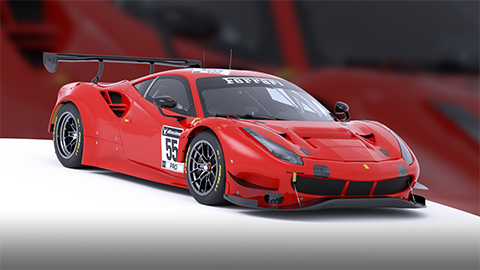
Image © iRacing.com Motorsport Simulations
Referencia rápida
Chasis
Potencia
Frenos
Setup
Advanced
Cómo frena el Ferrari 488 GT3 EVO 2020
El Ferrari 488 GT3 EVO 2020 cuenta con un sistema de frenado sofisticado y altamente ajustable mediante el dimensionamiento de las bombas de freno y el control de sesgo desde el habitáculo. Las bombas delantera y trasera pueden configurarse independientemente entre siete opciones, permitiéndote ajustar tanto el sesgo general como el esfuerzo en el pedal según tu estilo de conducción. Este doble nivel de ajuste significa que primero debes encontrar la combinación correcta de bombas, y luego usar el dial de sesgo de freno para hacer ajustes dinámicos según las condiciones de pista y el desgaste de neumáticos.
La selección de compuesto de pastillas ofrece tres niveles de fricción que impactan directamente la potencia de frenado y el umbral de bloqueo. El compuesto Alto proporciona máxima fricción pero exige control preciso del pedal, mientras que Low ofrece menos fricción y más modulación. Tu estrategia de sesgo debe considerar la plataforma aerodinámica del coche—conforme la carga aerodinámica disminuye durante la frenada, el peso se transfiere agresivamente hacia adelante, requiriendo un manejo cuidadoso del sesgo para evitar bloqueos delanteros.
El sistema ABS integrado proporciona alertas de intervención en el tablero cuando se activa por encima del 15% de corte, dándote retroalimentación en tiempo real sobre tu umbral de frenado. Presta atención a los indicadores de bloqueo de ruedas púrpura y azul junto a las luces de cambio—te mostrarán exactamente qué eje está limitando tu rendimiento de frenado. Monitorea las temperaturas de los discos en el tablero de calificación para asegurar que estés trabajando los frenos en su ventana óptima de operación, ajustando tu sesgo y configuración de bombas según corresponda.
Deja de Adivinar, Empieza a Mejorar
Muchos pilotos frenan con toda su fuerza, pero los más rápidos modulan la presión, usan el freno para rotar el coche y salen lo más rápido posible. Entrena esa habilidad aquí.
Entrena Donde Sea, Cuando Sea
Entrenamiento desde el navegador compatible con cualquier pedal o controlador de carreras. Fanatec, Thrustmaster, Logitech, Simucube — sin instalación requerida.
Ejercicios Diseñados por Profesionales
Accede a ejercicios creados por sim racers profesionales como Suellio Almeida. Aprende los patrones exactos de frenado que usan los pilotos más rápidos.
Importa Telemetría del Ferrari 488 GT3 EVO 2020
Suelta tu CSV de Garage61 y extrae datos de frenado de cada curva. Genera ejercicios personalizados basados en TU telemetría, no en patrones genéricos.
Sigue Tu Progreso
Visualiza historial de sesiones, tendencias de rendimiento y mejores puntuaciones. Observa cómo mejoras con el tiempo y mantente motivado para practicar.
Y hay mucho más
Mejora tu técnica de frenada con este coche y mucho más:
Crea ejercicios personalizados
Parte de plantillas, dibuja curvas de frenada o grábalas con tu pedal
Programa tu entrenamiento
Planifica sesiones de práctica y sigue tu constancia semana a semana
Clasificaciones de Brake Master
Consigue posiciones y compite en las clasificaciones mientras mejoras
Ejercicios y seguimiento del progreso
Practica ejercicios y sigue tu progreso de forma totalmente gratuita.
Sin instalación • Funciona en el navegador
Consejos generales de práctica
Consejo 1
Punto de partida
Empieza con el setup oficial y consulta la documentación del simulador para conocer los controles disponibles. El reparto de frenada adecuado depende del coche y de las condiciones.
Consejo 2
Una variable
Cambia un ajuste cada vez y compara varias vueltas. Anota el cambio y el comportamiento observado antes de conservarlo.
Consejo 3
Condiciones comparables
Compara con combustible, neumáticos y condiciones de pista similares. Una vuelta aislada no demuestra que un ajuste sea mejor.
Preguntas frecuentes
Orientación general para practicar y consultar las fuentes del coche.
¿Dónde encuentro los ajustes del Ferrari 488 GT3 EVO 2020?
¿Dónde encuentro los ajustes del Ferrari 488 GT3 EVO 2020?
¿Cómo comparo un cambio de setup?
¿Cómo comparo un cambio de setup?
¿Cómo practico el control del pedal?
¿Cómo practico el control del pedal?
Explora MásGT3 Coches
Coches similares que podrían interesarte
¿Listo para Dominar el Ferrari 488 GT3 EVO 2020?
Pon en práctica este conocimiento con los ejercicios interactivos de frenado de Braking Lab. Importa tu telemetría y recibe retroalimentación personalizada.